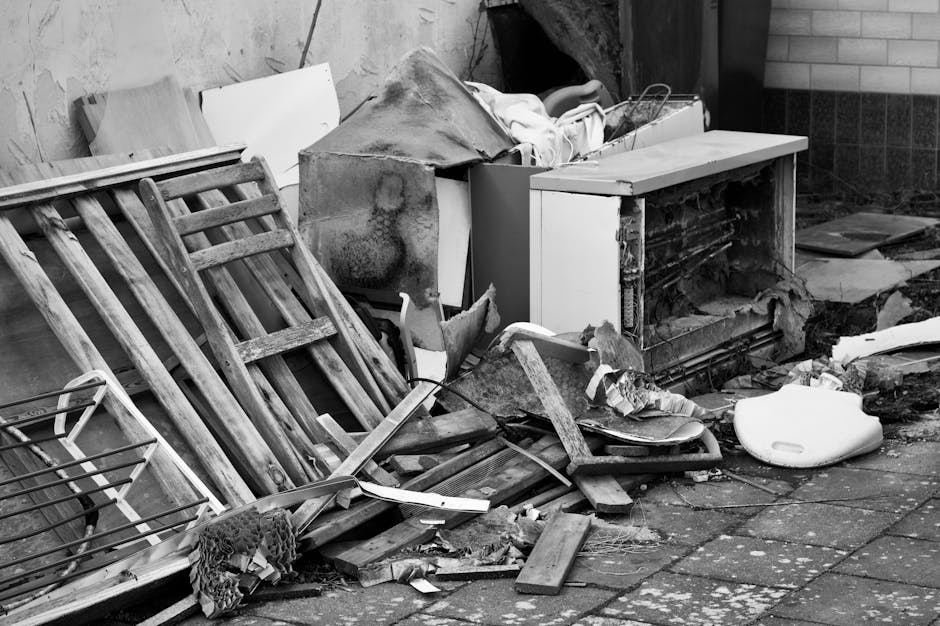
Business Waste Removal in Neasden
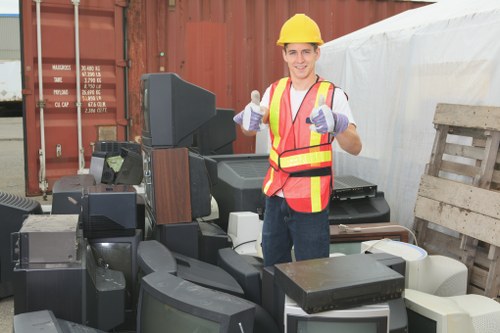
Business waste removal in Neasden should be straightforward, dependable and shaped around the sort of materials your premises produce each week. We handle commercial clearances for workplaces that need general office waste taken away, along with more specific items such as redundant furniture, packaging, mixed recyclables and end-of-life equipment. The aim is simple: keep business premises clear, presentable and ready to use without creating avoidable disruption for staff or visitors.
For many organisations, waste builds up in predictable ways rather than all at once. Desks are replaced, storage is reorganised, stock arrives in bulky outer packaging and old items need moving out before the next stage can begin. Our service is designed for those practical moments. We focus on removal, sorting and responsible onward handling, so you can make progress without trying to manage every item yourself. If you are comparing options, you can request a quotation once you know what needs clearing.
Different sites call for different approaches. An office may need a tidy clearance of desks, chairs and filing units; a shared workspace may only need selected items removed from a single area; a shop, studio or small depot may need mixed commercial waste taken away with care for access and scheduling. We work with the material in front of us and keep the service practical. When you are ready, simply ask for a quotation and we can help shape the right approach.
Office waste and workplace clearances
Office waste removal is often about restoring usable floor space while keeping disruption low. We remove general office items that no longer serve the workplace, including worn seating, damaged tables, broken storage units, filing material and day-to-day office refuse that has become too much for normal internal handling. This kind of clearance suits moves, refurbishments, reorganisations and regular tidying of surplus material.
Useful office work can include clearing selected rooms, taking away items from upper floors, removing contents from reception and storage areas, and separating reusable or recyclable material where that is practical. A clear plan helps the work run smoothly, so it is sensible to note the type of items, the access route and any particularly heavy pieces. If the list is still changing, that is fine: the important part is knowing the main categories of waste before the job begins.
Items commonly cleared from business premises
Typical commercial clearances may involve more than furniture alone. We can deal with mixed workplace waste in one visit, including cardboard, archive material, unwanted fixtures, office appliances and general clutter that has accumulated in back rooms or service areas. Some businesses want a full-room clearance; others only need several grouped items removed from one floor. In either case, the work is organised around safe lifting, sensible sorting and leaving the area ready for the next step.
Furniture disposal and bulky item removal
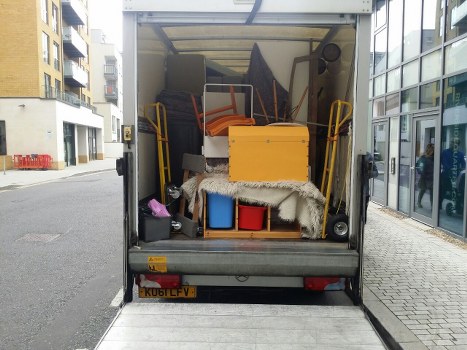
Many business clearances are driven by furniture replacement rather than a complete move. That can mean replacing desks, chairs, meeting tables, cabinets or reception pieces that are no longer suitable for everyday use. Our furniture disposal service helps remove bulky items that are awkward to move through busy premises and difficult to handle without the right equipment or planning. It is useful when you need the items gone cleanly rather than stacked in a corner awaiting later action.
Bulky item removal can also support phased changes. A business may be refurbishing one area at a time, fitting out a new layout or replacing outdated furnishings in stages. We can take the unwanted pieces away and leave the usable areas clear for continued work. When preparing for a quotation, it helps to note whether furniture is assembled, whether it must be removed from upper floors and whether there are narrow corridors, lifts or loading restrictions to consider.
Not every item needs the same treatment. Some pieces are straightforward to move, while others need extra care because they are large, heavy or awkwardly shaped. Our approach is to treat each clearance as a practical handling task rather than a generic tidy-up. That means taking account of what is being removed, how it is stored and how best to get it out without unnecessary disturbance to the site.
Commercial recycling, sorting and responsible disposal
Commercial waste should not be treated as one undifferentiated pile. Workplaces generate different waste streams, and sensible removal often depends on separating what can be reused, what can be recycled and what needs disposal through the correct route. Our service supports that process by collecting the items, sorting them where appropriate and moving them onward for proper handling. That makes the job more orderly and helps businesses avoid leaving mixed waste to accumulate.
Recyclable material from business premises often includes cardboard, paper, metal items and some plastic packaging, though the exact handling depends on the material mix. Businesses that receive regular deliveries may find that outer packaging takes up surprising space, while back offices may produce more paper-based waste than expected. Clearing it away in a structured way can reduce clutter and keep work areas easier to manage. If you are not sure how to describe the load, a short written summary is usually enough to start.
- General office waste and mixed commercial clutter
- Bulky furniture and fixed-layout items
- Packaging, paper and recyclable material
- Selected appliances and redundant equipment
About Neasden
Neasden is a district in north-west London best known for its mix of transport routes, housing, retail and landmark architecture. It sits within the London Borough of Brent and is associated with the busy junctions and road corridors that connect it to neighbouring parts of north-west London. The area is shaped by layers of twentieth-century development, with residential streets, local parades and commercial premises sitting alongside larger arterial routes. One of its best-known landmarks is the Grade II listed Swaminarayan Temple on Pramukh Swami Road, an elaborate Hindu temple complex completed in the 1990s that has become an important place of worship and a distinctive architectural presence in the district. Nearby, the Ace Cafe on the North Circular Road is another notable name linked with London’s motor and café culture, even though it sits on the edge of the wider Neasden area rather than within a single compact centre. The local transport picture is also significant. Neasden Underground station serves the Jubilee line, while the surrounding road network includes the North Circular, which has long influenced the character of movement through the area. Green space is limited compared with outer suburban districts, but Gladstone Park lies close enough to be a major local open space, with wide views across London from its higher ground. Neasden therefore combines everyday urban activity with a few highly recognisable landmarks, making it a place where religious architecture, transport infrastructure and residential neighbourhoods sit in close proximity.
Business waste for shops, studios and light commercial premises

Not every business produces the same kind of waste. A shop may need stockroom clearances and packaging removal; a studio may need old shelving, display pieces and mixed offcuts taken away; a light commercial unit may accumulate redundant materials during routine maintenance or seasonal changeovers. The service can be adapted to these situations without turning the job into a full site clearance. The important point is that the waste is removed in a way that fits how the premises actually operate.
Where access is tight or the waste is spread across several spaces, planning becomes more important than muscle alone. It can help to know which floor the items are on, whether vehicles can stop nearby and whether any pieces need to be dismantled before removal. Businesses often prefer to keep their working day moving, so a clear description of timing constraints is useful. We treat access and handling as part of the job, not as an afterthought, because that is what keeps the process orderly.
Some customers want a straightforward one-off clearance after a refit or stock change. Others need a more recurring solution because items build up at predictable times. Either way, the service stays focused on removal rather than unnecessary extras. If you know the rough volume or a list of the larger pieces, it is much easier to shape a suitable quotation without overcomplicating the process.
How we approach a commercial clearance
A good business waste removal job starts with a clear view of what needs moving. The main questions are usually simple: what type of items are involved, where are they located, and whether there are any access limits or heavy pieces. That information makes it easier to plan the collection and to avoid surprises on the day. For businesses, a brief description is often enough to decide whether the work is a small clearance, a mixed collection or a more involved office removal.
There are a few details that are especially helpful when you prepare an enquiry. First, note the main categories of waste rather than trying to itemise everything perfectly. Second, mention whether anything is especially bulky, fragile or difficult to reach. Third, include any building restrictions, such as steps, narrow corridors or loading arrangements. These practical points help us assess the job properly and keep the process efficient from the outset. You do not need to over-explain; just give the basics in one place.
Practical preparation can save time, but it should stay simple. If items are already grouped together, that helps. If they are spread around a site, that is also manageable provided the layout is explained clearly. The purpose of the quotation stage is to match the work to the waste and the access conditions, not to create extra admin for you.
Hazardous items and specialist disposal needs
Some business waste cannot be handled in the same way as standard office furniture or general clutter. Materials such as certain chemicals, contaminated items and other regulated waste require additional caution and the correct disposal route. Where this applies, it is important not to mix those items into a routine clearance without first checking what they are and how they should be managed. The right approach depends on the material, its condition and the surrounding circumstances.
This is why businesses benefit from describing unusual items early. If a clearance includes anything potentially sensitive, it is better to identify it before collection rather than at the point of removal. That allows the service to be shaped properly and reduces the risk of trying to handle something in an unsuitable way. Not every business job includes specialist waste, but when it does, the distinction matters. The aim is to keep the process compliant and practical without making ordinary clearances more complicated than necessary.
Office clearances for changes, moves and reorganisations

Office environments change for many reasons: teams grow, departments move, furniture is updated or storage is reconfigured. When that happens, surplus items can quickly get in the way. Office clearances help remove outdated furniture, paperwork, packaging and redundant equipment so the room can support its next use. For some businesses, that means a full suite clearance. For others, it means clearing only selected items from one floor or one department.
This kind of work is often most useful when a room needs to be handed over, re-let or refurbished. Clearing the items out in one organised pass avoids the slow drift of boxes and spare furniture that can otherwise sit around for weeks. It also helps businesses make better use of their available space. The work should feel controlled and predictable, which is why we keep the process centred on what the site actually needs rather than on unnecessary add-ons.
If there are items you wish to keep, separate them clearly before the work begins. That simple step avoids confusion and makes the clearance smoother. The rest can then be dealt with as a defined business waste task rather than a mixed sorting exercise. If you need the job priced, a concise summary is usually enough to get started.
Pricing factors and quotation requests
Commercial waste removal is usually priced according to practical factors rather than a one-size-fits-all model. The type of waste, the amount to be removed, how heavy or bulky the items are, and how easy they are to reach all affect the overall scope of the work. A straightforward collection from a ground-floor office will generally differ from a multi-room clearance with stairs, larger furniture and mixed materials. Knowing that from the outset helps produce a quotation that reflects the actual task.
Businesses often ask what information is most useful when requesting a price. The answer is usually a short description of the items, a rough idea of quantity and any access details that matter. A few images can also help if the load is varied or includes awkward pieces, though they are not always essential. The more clearly the waste is described, the easier it is to prepare a sensible quotation without adding unnecessary back-and-forth. Clear information leads to a clearer estimate, and that is usually what commercial customers want.
If you are ready to move forward, use the details you already have and request a quotation. Even a simple outline is enough to begin the conversation, and it is far better to send a short, practical summary than to wait until the waste becomes harder to manage.
Recycling and sustainability in business waste handling

Recycling and sustainability matter in commercial waste because workplaces often generate material that does not need to be treated as general refuse. Cardboard, paper, some metals and selected reusable items can often be separated from the rest of the load, depending on their condition and how they have been used. A considered removal service helps keep those streams more manageable and reduces the chance that recyclable material is mixed unnecessarily with non-recyclable waste.
For businesses, the practical benefit is not abstract. Better sorting can make clearances tidier, reduce clutter in back rooms and support more orderly storage routines in future. It also means waste handling feels less improvised. If you need help with a one-off clearance or a recurring tidy-out, we can work with the material in a way that is fit for commercial premises and suited to the items involved. When you are ready, send your waste details and ask for a quotation.